

Long layovers and red-eye flights have a way of turning spines into question marks. A good neck pillow travel choice can feel like a quiet friend who holds your head when gravity won’t cooperate. Oddly enough, the same logic behind commercial cleaning schedules applies here: consistent support beats flashy claims every time. Travelers notice the difference after hour three, not in the store aisle.
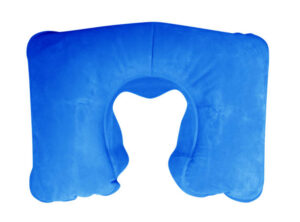
Modern designs focus on how the head falls during micro-sleeps. Forward tilt. Side slump. That sudden chin drop that wakes you with a start. Pillows that address these patterns feel less like gear and more like relief. I once borrowed a stranger’s pillow mid-flight. Best trade I ever made. He got my snack. I got my neck back.
Shape That Respects Real Sleep
Flat crescents are fading out. Contoured wraps are stepping in. Raised sides cradle the jaw. A lower front keeps breathing easy. Some designs add a subtle ledge beneath the chin. It sounds small. It feels big at 30,000 feet.
The trick is balance. Too stiff and you fight it. Too soft and it vanishes. Designers now test foam density across zones. Firmer where the head leans. Gentler near the throat. Short naps turn longer. You wake without the sting.
Materials That Play Nice With Skin
Memory foam still leads, but it’s lighter now. Airy cores reduce heat. Covers breathe better. Sweat happens. No shame. Removable shells wash clean without drama.
Textiles matter. Scratchy fabric ruins the mood fast. Smooth knits and brushed blends feel calmer. Some pillows add cooling threads. They help during cabin heat spikes. Your neck notices before your brain does.
Adjustability Beats One-Size Claims
People vary. Seats vary more. Adjustable toggles and snap systems let the pillow fit you, not the brochure model. Cinch tight for window seats. Loosen up in the aisle. A small tweak can save an hour of stiffness.